As someone who’s spent more mornings than I can count wading grass flats at dawn, I can tell you redfish are probably the most rewarding inshore species you can target. They eat aggressively, fight hard, and taste excellent. Not much else you can say that about.
I learned everything about reds the hard way – seasons of inconsistent catches before I started understanding what makes these fish tick. Probably should have led with this: redfish are creatures of habit. Learn their patterns and you’ll find them consistently. Ignore the patterns and you’ll wonder why some days produce and others don’t.
How Redfish Actually Behave
Redfish are opportunistic feeders that adapt to whatever coastal environment they’re in. They patrol shallow flats, cruise oyster bars, and hold in deeper channels depending on conditions. Understanding their habits helps you predict location on any given day.
Water temperature drives most of their movement. Summer means aggressive early morning and late evening feeding, with fish seeking shade during midday heat. Fall brings some of the best fishing as schools form along beaches before spawning runs offshore. Winter pushes them into deeper, warmer water, though sunny afternoons still pull fish into protected bays where they’ll feed.
Tides influence redfish location more than almost anything else. They push onto flats with incoming water, hunting crabs and shrimp washing in with the flow. As water drops, they fall back into potholes, channels, and along grass edges. Learn your local tide patterns and fish accordingly – this single factor determines success more than any lure choice or technique.

Gear That Actually Works
Rods and Reels
A medium to medium-heavy spinning rod in the 7-foot range handles most inshore redfish situations. Fast action tips load quickly for accurate casts but provide backbone to turn fish away from structure when they run.
Pair it with a 3000-4000 size spinning reel loaded with 20-30 pound braid. Braid provides sensitivity for detecting subtle bites and cuts through grass better than monofilament. Add a 2-3 foot fluorocarbon leader in 20-25 pound test for abrasion resistance around oysters and dock pilings.
Baitcasting gear works well if you’re comfortable with it, especially for heavier lures or punching baits into thick cover. Low-profile reels in the 150-200 size class are what most experienced redfish anglers run.
Terminal Tackle
Circle hooks have become standard for live bait. Sizes 3/0 to 5/0 cover most situations. They hook fish in the corner of the mouth almost every time, making releases easier and reducing mortality on fish going back.
Jigheads from 1/8 to 1/2 ounce match various soft plastics. Lighter heads in shallow water where stealth matters. Heavier heads reach bottom faster in current or deeper spots.
Popping corks rig live shrimp or soft plastics at adjustable depths. The popping noise attracts reds from distance, and suspended bait looks natural. Weighted versions cast farther when wind picks up.
Baits and Lures That Produce
Live Bait Options
Live shrimp catch redfish year-round. Hook them through the horn (that spike on top of the head) for longer life when drifting or under a cork. Thread them onto jigheads for bouncing along bottom.
Finger mullet work exceptionally in fall when schools of juvenile mullet flood coastal waters. Free-line them near structure or use light split shot for deeper presentations. Cut mullet also produces, especially for bigger fish that prefer a meal over a snack.
Blue crabs and fiddler crabs match the natural diet perfectly. Remove claws from blue crabs before hooking through the corner of the shell. Fiddler crabs fish well on small hooks around dock pilings and oyster reefs where they naturally occur.
Artificial Options
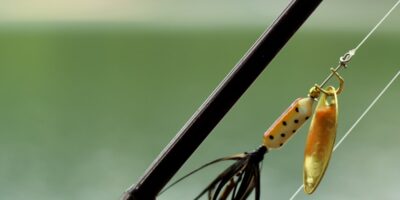
Gold and copper spoons remain the classic redfish lure for good reason. They flash and wobble like injured baitfish, triggering strikes from fish that might ignore other presentations. The Johnson Silver Minnow and similar weedless designs work over grass without constant fouling.
Soft plastic paddle tails imitate shrimp and small fish. Colors like new penny, root beer, and natural shrimp patterns consistently produce. Rig them on jigheads matched to water depth and current speed.
Topwater plugs deliver explosive surface strikes, especially during low-light periods. Walk-the-dog baits like the Heddon Super Spook and Rapala Skitter Walk pull fish from surprising distances. That’s what makes topwater fishing endearing to us as anglers – the visual nature of seeing fish commit hooks you as much as the fish.
Prime Locations to Find Redfish
Oyster Bars
Oyster bars concentrate baitfish and crustaceans that redfish feed on heavily. Fish the edges during moving water, casting tight to the shells and working lures parallel to structure. On lower tides, look for deeper cuts and drains where reds stage waiting for the flood.
Be careful wading near oysters – their edges cut through waders and boots easily. Felt-soled wading boots grip better than rubber on shell bottoms.
Grass Flats
Healthy seagrass beds support the entire food chain redfish depend on. Shrimp, crabs, and baitfish all hide in grass, drawing predators. Look for potholes – those sandy depressions scattered through grass where reds cruise hunting prey.
Tailing redfish on shallow flats create sight-fishing opportunities that nothing else matches. Their forked tails wave above the surface as they root along bottom. Cast ahead of the fish and let your bait sink naturally into their path.
Docks and Piers
Shaded structure holds redfish during summer heat. Pilings attract barnacles and small crabs that draw fish. Cast tight to structure – redfish often hold within inches of the wood.
Dawn and dusk produce best around docks when reduced light encourages fish to feed more openly. Night fishing under lighted docks can be exceptional, with fish cruising shadow lines picking off baitfish attracted to illumination.
Marsh Drains
Every outgoing tide flushes shrimp, crabs, and baitfish from the marsh through drain points. Redfish learn these ambush spots and return repeatedly. Find a productive drain and fish it through multiple tide cycles before moving.
Position yourself to cast into the current flow. Redfish typically face into current waiting for food to wash toward them.
Seasonal Patterns Worth Knowing
Spring
Rising water temperatures push redfish onto flats earlier in the day. They feed heavily after winter, rebuilding energy reserves. Target areas where dark bottom absorbs heat – fish gather there first as waters warm.
Shrimp runs begin and redfish gorge on abundant prey. Match the hatch with small soft plastics and live shrimp under corks.
Summer
Beat the heat by fishing dawn and dusk windows. Midday finds fish deep, holding in channels and around structure with current flow. Night fishing picks up as temperatures moderate after sunset.
Summer brings young-of-year mullet into the bays. Finger-sized artificials and live mullet produce some of the best catches of the year.
Fall
Many anglers consider fall the prime redfish season. Schools form as fish prepare for spawning runs to passes and inlets. These schools can number in the hundreds, creating feeding frenzies on bait schools.
Watch for birds working over breaking fish. The combination of surface activity and easy casting access makes fall the most exciting time to target reds.
Winter
Cold fronts push fish into deeper, more stable water. Redfish metabolism slows but they still feed, especially on warm sunny afternoons. Target dark-bottomed areas that absorb and hold heat.
Slow your presentation dramatically. Winter reds rarely chase fast-moving baits. Dead-sticking soft plastics on bottom often outproduces active retrieves.
Advanced Techniques That Make the Difference
Sight Fishing
Polarized sunglasses are essential for spotting fish before they spot you. Copper and amber lenses work best in varied light conditions typical of flats fishing.
Approach slowly and quietly. Redfish spook easily in skinny water. Push poles, trolling motors on low, and wading all work better than running an outboard anywhere near your target zone.
Present baits ahead of moving fish. Cast too close and you spook them. Too far and they won’t see it. Lead a cruising redfish by 5-10 feet depending on water clarity.
Working Structure Right
Fish tight to structure – not near it, against it. Redfish hold close to cover and often ignore baits landing more than a foot away. Accuracy matters more than distance.
Let baits sink and settle before retrieving. Redfish often strike during the pause rather than the movement. Count down to different depths systematically until you find where they’re holding.
Reading Water
Moving water usually means feeding fish. Look for current seams where fast water meets slow – bait collects there and predators know it.
Color changes indicate depth transitions. Fish the edges where shallow meets deep, especially on tide changes when fish move between zones.
Nervous water – a rippled patch in otherwise calm conditions – often betrays a school of feeding fish pushing bait to the surface. Approach carefully and cast beyond the disturbance.
Conservation Matters
Redfish populations crashed in the 1980s from commercial overharvest. Strict regulations brought them back, making this one of fisheries management’s great success stories. Responsible anglers continue that legacy.
Handle fish carefully when releasing. Support their weight horizontally, keep them in water when possible, and revive tired fish before letting go. Circle hooks and crimped barbs speed release and improve survival.
Respect slot limits designed to protect spawning fish. The big bulls you release today contribute offspring to future generations of fishing.
Putting It All Together
Successful redfish anglers combine knowledge of fish behavior with appropriate gear and technique. Start with basics – learn your local waters, understand tides, practice accurate casting. Build from there as experience accumulates.
Every trip teaches something new. Pay attention to what works and what doesn’t. Over time, you’ll develop instincts that put you on fish consistently. The redfish waiting in your home waters reward those who take time learning their habits.