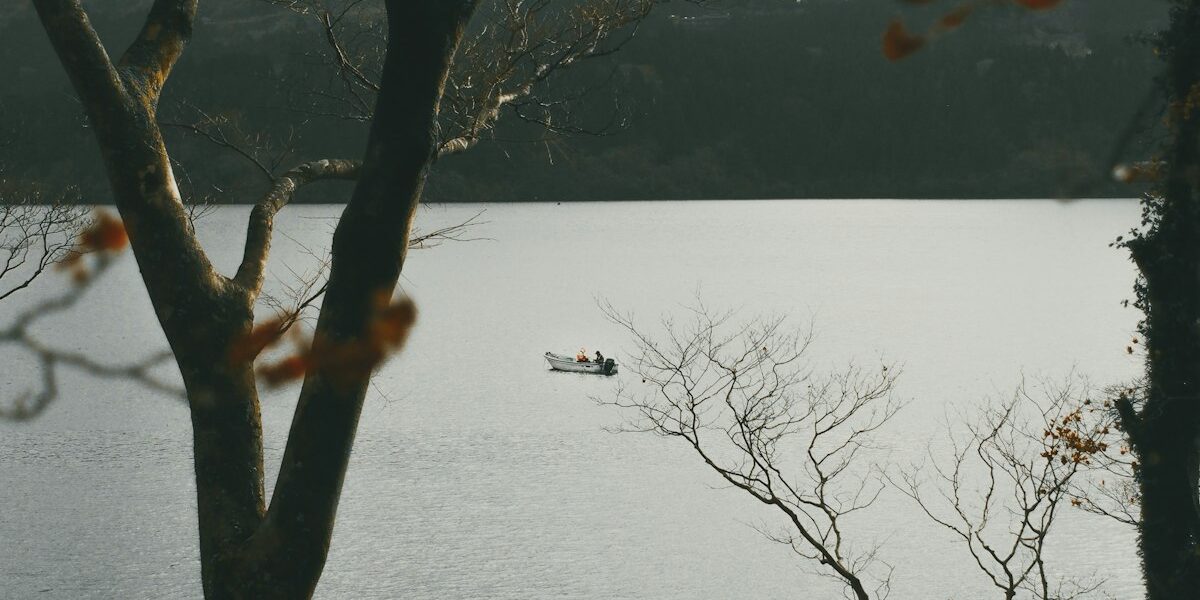
As someone who made the switch from boat fishing to kayak fishing three years ago, I can tell you it completely changed how I experience the water. There’s something about sitting inches above the surface, hearing every splash and feeling the tug of a fish run the kayak sideways that no powerboat can replicate.
Kayak fishing has gotten complicated with all the options out there – pedal drives, motorized trolling systems, fish finders with more computing power than my first laptop. But the basics remain simple: a stable platform that gets you to fish other anglers can’t reach. Everything else is just refinement.
Finding the Right Kayak
Sit-on-Top vs Sit-Inside
Sit-on-top kayaks dominate saltwater fishing, and for good reason. Those self-draining scuppers handle waves and spray without constant bailing. Getting on and off is simple when you want to land a fish or step out to wade. The open deck gives you room for tackle, coolers, and rod storage that enclosed cockpits simply can’t match.
Sit-inside kayaks work in protected waters and have their place, especially in cold weather. The enclosed hull keeps your legs dry and blocks wind. But a swamped sit-inside is dangerous – if you choose this style, invest in proper self-rescue training before venturing far from shore.
What Hull Design Actually Means
Stability matters most when you’re fighting a fish or standing to sight-cast. Wide, flat hulls sacrifice speed for a rock-solid platform. Most dedicated fishing kayaks measure 32-36 inches at their widest – enough stability that standing becomes second nature after a few trips.
Length affects both speed and how straight you track in wind. Longer kayaks (12-14 feet) cover distance efficiently and hold a line better. Shorter ones (10-12 feet) spin on a dime in tight spots and fit more easily in your garage. Think about where you’ll fish most often.
Weight matters more than most people consider when shopping. Polyethylene kayaks are tough and affordable but heavy – 60 to 80+ pounds. Loading that onto roof racks solo gets old fast. Thermoformed or composite options cut significant weight at higher cost. Be honest about how you’ll actually transport and launch.
Pedal Drive Worth the Money?
Pedal-driven kayaks changed the game. Hands-free propulsion means holding position over structure, trolling lures, or chasing running fish while your rod stays ready. The speed advantage extends your range dramatically – pedal kayaks cover water like small boats.
But traditional paddle kayaks cost less and weigh less. They draft shallower in skinny water where pedal drives would scrape bottom. Maintenance is simpler with no moving parts to worry about. I know accomplished kayak anglers who tried pedals and went back to paddles for the simplicity.
Consider starting with paddles and adding pedals later if your model supports it. That’s what I did, and it let me understand what I actually needed before spending extra money.
Gear That Earns Its Space
Safety First – Really
A Coast Guard-approved PFD is non-negotiable. Get a fishing-specific model with pockets for pliers, leaders, and small essentials. Mesh-back designs breathe better in summer heat. Auto-inflatable belt packs stay out of your way but need maintenance to remain reliable.
Carry signaling devices – a whistle at minimum, but a small air horn and signal mirror are better. Brightly colored flags help boats spot you in busy waterways where you’re sitting lower than everyone else. A handheld VHF radio connects you with Coast Guard and other boaters when things go wrong.
Anchor systems keep you in position over productive structure. Stakeout poles work in water under 3-4 feet. Traditional anchors with quick-release systems handle deeper spots. Drift chutes slow you down when wind pushes too hard but you don’t want to anchor up.
Rigging for Function
Rod holders keep rods accessible while you paddle or pedal. Flush-mount holders protect rods during transport; adjustable ones angle them better for fighting fish. Most serious kayak fishermen install 4-6 holders for trolling and storage flexibility.
Tackle lives in crates, bags, or built-in hatches. Milk crates remain popular for good reason – cheap, infinitely customizable with rod tubes and tool holders, and replaceable when beat up. Soft tackle bags squeeze into irregular spaces and won’t scratch your hull.
Electronics mount on RAM balls or dedicated tracks. Fish finders reveal bottom structure and fish-holding areas that you’d otherwise paddle right over. GPS prevents getting lost and marks spots for return trips. Side-imaging sonar shows incredible detail but adds cost and complexity that beginners probably don’t need.
Tackle Adaptations
Shorter rods (6-7 feet) work better from seated positions and clear the hull during hooksets. Medium-power spinning gear handles most inshore species; go heavier for offshore trips where you might encounter something big.
Braided line telegraphs bites and cuts through wind better than mono. Use fluorocarbon leaders for abrasion resistance around structure. Pre-tie several leaders at home – fumbling with knots while drifting toward oyster bars isn’t fun.
Keep tackle minimal. You can’t bring everything like in a boat. Pack for specific target species rather than every possible scenario. A focused selection of proven lures beats a tackle shop’s worth of maybes taking up precious deck space.
Getting On the Water
Finding Launch Spots
Public boat ramps work but get congested on weekends. Launch early before trailer traffic backs up. Use the ramp quickly and clear out so others can launch behind you.
Kayak-specific launches often provide easier access without ramp fees. Look for sand beaches, shell shorelines, and low bulkheads. Parks, wildlife management areas, and coastal preserves frequently offer shoreline access that works perfectly.
Private property needs permission. Build relationships with waterfront landowners and you’ll access waters with minimal fishing pressure. Offer to share catch reports or help maintain their shoreline – most appreciate the exchange.
Launch Day Logistics
Cart systems save your back when parking sits far from water. Wide wheels roll over soft sand; narrower designs fit dock fingers. Fold-flat carts store on deck during your trip.
Organize everything before reaching the launch. Load your kayak in the parking lot so time at the water’s edge is minimal. Other users will appreciate your efficiency.
Secure everything critical. Losing a paddle leaves you stranded. Losing car keys ruins your day worse. Lanyards and leashes attach important items to the kayak itself. Dry bags protect phones, wallets, and electronics from inevitable splashes.
Working the Water
Paddling That Doesn’t Wear You Out
Proper technique conserves energy for long days. Rotate your torso rather than just pulling with arms – your core provides sustained power that your biceps can’t match. Keep strokes close to the hull for straighter tracking.
Match paddle length to your kayak width and seat height. Most saltwater fishing paddles run 230-250 cm. Test before buying if you can.
Wind fighting drains you fast. Paddle into wind heading out, saving the tailwind for coming home when you’re tired. Use shoreline wind shadows when possible.
Fighting Fish From a Kayak
Let the kayak work for you. A strong fish towing your kayak tires faster than fighting a stationary anchor point. Follow runners rather than trying to stop them cold – the kayak becomes part of your drag system.
Keep rod tip low during the fight. High angles increase pulled hooks and straightened tackle. Steady pressure and proper drag settings do more than horsing fish.
Net fish on your dominant-hand side. Scoop toward the head to avoid tangling tails. Lip grippers work for species like bass and snook; avoid them on fish you plan to release healthy.
Staying Safe Around Boats
You’re nearly invisible to motorboat operators. Assume they don’t see you and act accordingly. Never cross channels in front of approaching traffic – let them pass first.
Fly a flag on a tall pole, especially in busy areas. Bright orange or green shows well against most backgrounds. Some flags have reflective elements for dawn and dusk visibility when boaters are looking into low sun.
Stick close to shorelines and structure when possible. Boats rarely run tight to banks, giving you a natural safety buffer. The fish are there anyway.
Species That Love Kayak Presentations
Inshore Targets
Redfish top most kayak anglers’ lists. They live in waters perfectly suited for kayak access – shallow flats, marsh edges, oyster bars too skinny for boats. The quiet paddle approach spooks fewer fish than outboard noise ever could.
Spotted seatrout occupy similar territory and respond well to slow kayak presentations. Drift across grass flats working soft plastics along bottom. The methodical pace of kayak movement matches what trout prefer.
Flounder hold on sandy bottom near structure. Position upcurrent and drift baits along drop-offs and channel edges. The stealthy approach helps in clear shallow water where flounder spook at any sudden movement.
Pushing Offshore
Kayaks can reach nearshore reefs and wrecks in calm conditions, accessing species beyond typical inshore fare. Spanish mackerel, king mackerel, cobia, and various reef fish all fall to kayak anglers willing to paddle past the surf.
Safety considerations multiply offshore. Weather windows demand careful attention – conditions change faster than you can paddle home. Go with partners, carry communication devices, and tell someone onshore your plan and expected return time.
Trolling covers water efficiently out there. Pedal drives shine for maintaining trolling speed while you watch rod tips. Spread multiple lines at different depths to locate feeding fish.
Working the Seasons
Spring Awakening
Warming water activates everything. Shrimp emerge, baitfish schools form, and predators respond. Target the warmest water available – dark bottoms, shallow pockets protected from wind, areas catching afternoon sun.
Morning sessions can be slow until water warms. Afternoon trips often produce better spring action. Time your launches for rising temperatures when possible.
Summer Survival
Beat the heat by launching at first light. The best bite typically ends by mid-morning as sun climbs. Bring extra water – dehydration affects judgment and increases heat injury risk before you realize what’s happening.
When fishing through midday, seek shade. Fish under docks, bridges, and mangroves where structure blocks direct sun. Both you and the fish benefit from cooler conditions.
Fall Glory
Many consider fall the prime kayak fishing season. Cooling water fires up feeding while comfortable conditions allow all-day trips. Baitfish schools attract predators, creating visible surface activity that tells you exactly where to go.
Cover water in fall. Fish may be anywhere as they move and feed aggressively before winter. Routes covering multiple habitat types eventually intersect active fish.
Winter Windows
Cold fronts shut things down temporarily, but warm-up periods between fronts produce excellent fishing. Fish feed heavily knowing another cold snap approaches. Watch forecasts for 2-3 day warming trends.
Layer clothing and pack dry changes in waterproof bags. Hypothermia is real. Dress for water temperature, not air – if you capsize, what you’re wearing determines survival time.
Building Your Skills Over Time
Kayak fishing skills compound with every trip. Each outing teaches something about where fish hold, how they react, what works. Keep notes and build knowledge of your local waters that no one else has.
Connect with other kayak anglers through clubs and online communities. Shared information accelerates learning. Group paddles provide safety while introducing new spots and techniques.
Practice self-rescue in controlled conditions before you need it for real. Knowing you can re-enter your kayak from deep water provides confidence for appropriate risk-taking.
That’s what makes the kayak fishing community special – it welcomes newcomers readily. The learning curve is manageable, costs stay reasonable, and the fishing access is often exceptional. Your first trip starts a journey toward years of paddled adventures that boat anglers simply can’t replicate.