
Understanding the Rapala Knot: A Guide for Anglers
Understanding the Rapala Knot: A Guide for Anglers has gotten complicated with all the boating fundamentals noise out there. As someone who grew up fishing the Florida Keys with my grandfather, I learned everything there is to know about this topic. Today, I will share it all with you.
The Origin of the Rapala Knot

Introduced by Lauri Rapala, the knot emerged in the mid-20th century, coinciding with the popularization of Rapala lures. Its creation aimed at maximizing the action potential of such lures. Mimicking an injured baitfish, the free-moving loop improves the lure’s presentation.
Materials Needed
- Fishing line (monofilament or fluorocarbon preferred for flexibility)
- Fishing lure
- Scissors or line cutters for trimming excess line
Why Choose the Rapala Knot?
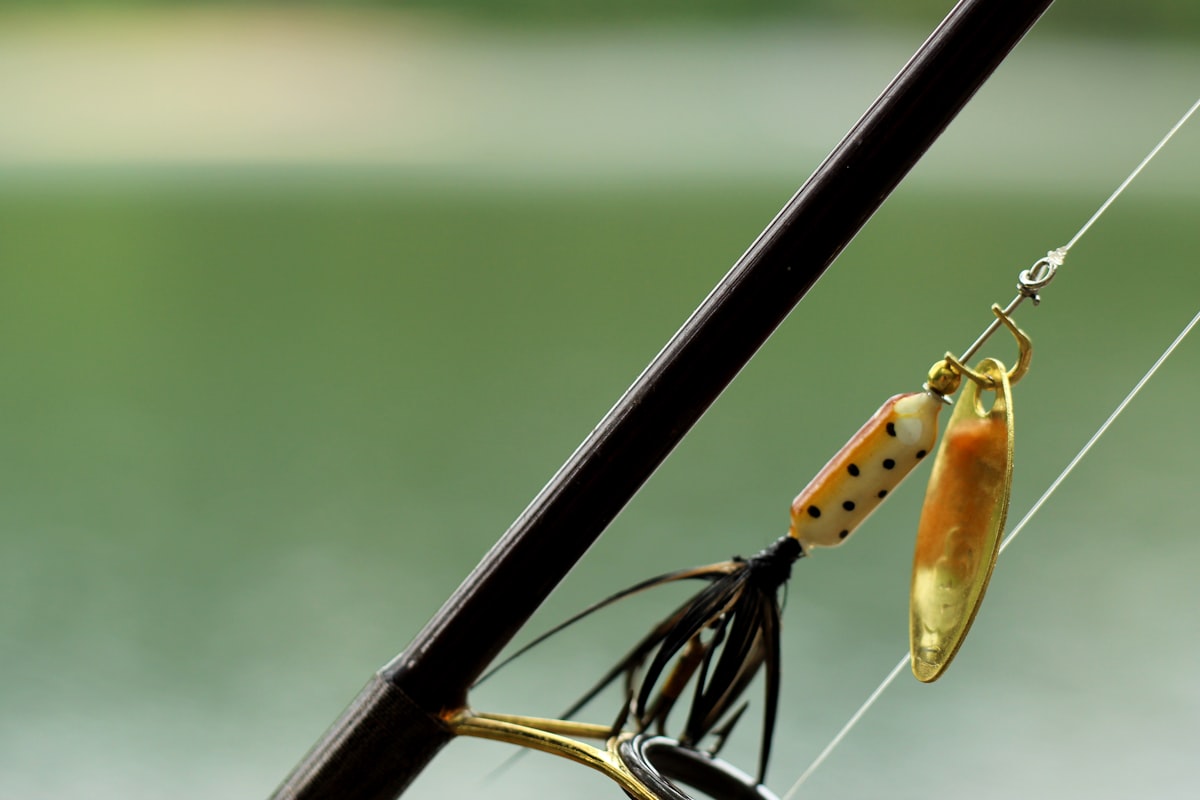
Key reasons many anglers prefer the Rapala knot include its ability to maintain a lure’s natural movement. Unlike tight knots, this loop knot ensures a broader range of motion. It does this without the knot itself slipping or coming undone, provided it’s tied correctly.
When using lures requiring enhanced swimming action, this knot serves as a vital tool. Its straightforward tying method makes it feasible for beginners, while offering reliability for seasoned anglers. The knot holds strong under tension, making it suitable for various fishing conditions.
That’s what makes knot holds endearing to us anglers — knowing knot holds makes the difference between a good day and a great day on the water.
Step-by-Step Guide to Tying the Rapala Knot
- Pass the line through the eye of the lure.
- Form a loose overhand knot in the line, keeping the distance about six inches from the lure.
- Insert the end of the line back through the loop near the eye.
- Wrap the line around the standing line about three times.
- Thread the line back through the overhand knot.
- Ensure the wraps are neatly packed together.
- Lightly moisten the knot and pull on the standing end to tighten it.
- Adjust the loop size as needed by pulling the tag end.
- Trim the excess line close to the knot with scissors or line cutters.
Properly tied, the knot should not slip despite exerted force. Always check the knot’s integrity after tying.
Probably should have led with this section, honestly.
Applications and Considerations
The Rapala knot is versatile but has some limitations. It’s not suited for braided lines, as these can be too slippery. For best results, use with monofilament or fluorocarbon lines. When targeting species that demand precise lure action, consider this knot as an option.
While this knot holds well, if targeting larger species, periodically check for wear. Abrasion or fatigue can affect its performance. Regularly inspect for fraying or other weaknesses, especially after intensive casting or a catch.
Troubleshooting Common Issues
If the loop doesn’t remain open, the issue often lies in improper tightening. Ensure the wraps are neat and snug, which allows the loop to maintain its shape. If breaking occurs, review the quality of the line itself; older or damaged lines may weaken the knot.
If slipping is observed, re-tying might be necessary. Revisiting the knot steps ensures the line passes through correct positions without mishap. Consistent practice reduces these errors over time.
Benefits of the Rapala Knot
- Mimics natural bait movements, appealing to fish.
- Simple to learn and quick to tie under most conditions.
- Reliable under varying water conditions.
Even quick knots benefit from thoroughness, guaranteeing secure fishing trips. Investing the time to master the Rapala knot expands both skillset and catch success rate.
Comparative Insights: Other Fishing Knots
While the Rapala knot is ideal for enhancing lure action, other knots have their specialties. The Palomar knot offers strength but restricts motion. The Loop knot shares similar attributes but differs in tying complexity. Each knot serves unique situations and preferences.
Choosing between knots involves considering the intended fishing environment and species. A flexible approach, adapting to conditions, results in optimal fishing experiences.
Ultimately, the Rapala knot exemplifies the balance between simplicity and effectiveness. Cultivating knot-tying skills enhances an angler’s ability to succeed across diverse fishing scenarios.
Recommended Fishing Gear
Garmin GPSMAP 79s Marine GPS – $280.84
Rugged marine GPS handheld that floats in water.
Garmin inReach Mini 2 – $249.99
Compact satellite communicator for safety on the water.
As an Amazon Associate, we earn from qualifying purchases.