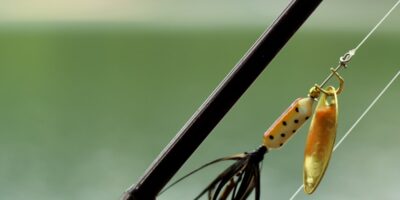
As someone who spends way too much time scrounging for fiddler crabs in salt marshes, I can tell you sheepshead season is officially heating up around bridge pilings and jetties. These striped convicts offer excellent table fare and put up a genuinely fun fight on light tackle.
I learned everything about sheepshead fishing the hard way – watching them steal bait after bait before I figured out their tricks. Here’s what works this month.

The Bait That Actually Works
Fiddler crabs top the list, hands down. Find them yourself in salt marshes during low tide – it’s tedious but they’re free and sheepshead can’t resist them. Sand fleas work well too, especially around sandy structure where the fish expect to find them.
Fresh shrimp catches sheepshead but draws every bait stealer in the area. You’ll go through more bait fighting off pinfish and croakers. Oyster crabs picked from clusters are seriously underrated – the fish rarely see them on hooks and eat them confidently.

Setting Up Your Rig
Use a small J-hook, size 1 or 1/0. Sheepshead have those crushing teeth designed for cracking shellfish – they bite carefully and deliberately, feeling everything before committing.
A short fluorocarbon leader prevents line damage from those teeth and the barnacle-covered pilings they live around. Drop your bait directly alongside the pilings. These fish hold tight to structure, often within inches of the concrete or wood.
The Hookset That Connects
Wait for the tap-tap-pull sequence. Sheepshead peck at bait before actually eating it – they’re testing whether it’s real food worth crushing. That quick hookset on the third tap usually connects.
Don’t swing too hard on the hookset. Their mouths are surprisingly tough but the hook needs to find soft tissue. Pulling hard just yanks the hook right out. A firm lift works better than a big swing.